
Brazzaville sets the continental tempo
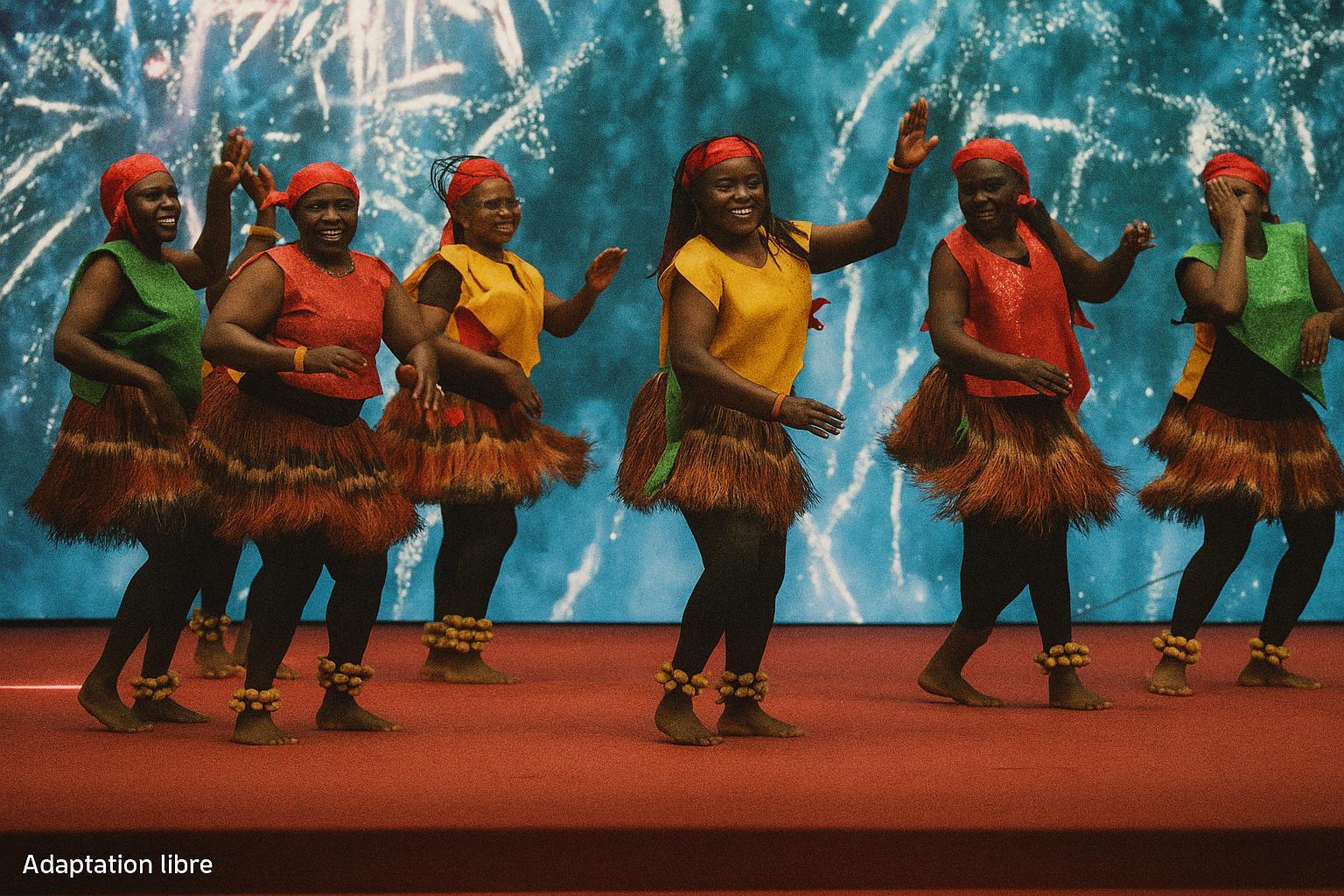
The banks of the Congo River reverberated on 26 July as the Pan-African Music Festival, FESPAM, closed its twelfth edition with a two-hour pageant that felt as much a diplomatic summit as an artistic event. Under the discreet eye of President Denis Sassou Nguesso and a cohort of regional dignitaries, more than 250 performers from the Republic of the Congo and Mali choreographed a narrative of unity in diversity, echoing the African Union’s designation of 2023 as the Year of Youth (African Union communiqué, 2023).
The festival, created in 1995 and held biennially in Brazzaville, has evolved into a forum where culture, economics and geopolitics intersect. This year’s attendance by representatives of the UN system and foreign missions confirmed FESPAM’s growing reputation as an arena of soft-power projection comparable to Morocco’s Mawazine or Rwanda’s Kwita Izina ceremonies (UNESCO cultural report, 2022).
Youth as vector of soft power
Labelling the show “L’Année de la Jeunesse” was more than a marketing device. With 60 percent of Africa’s population under twenty-five, the demographic argument for investing in cultural industries is unassailable (AfDB statistics, 2023). By giving the main stage to multitalented performers such as the slam poet Mariusca Moukengue and the choreographer Gervais Tomadiatunga, the organisers signalled an intention to align artistic recognition with continental development agendas, notably the AU’s Agenda 2063 pillar on creative economies.
Speaking backstage, Moukengue called the festival “a rare moment when the Congolese heartbeat resonates well beyond our borders.” Tomadiatunga added that his hybrid routine—rumba footwork colliding with hip-hop isolations—”illustrates a pan-Africanism born on the dance floor rather than in treaty rooms.” Their testimonies underscore how cultural expression can render otherwise abstract diplomatic concepts tangible to younger constituencies.
Sassou Nguesso’s calibrated cultural statecraft
Observers noted that the presidential couple’s attendance, though protocolary, carried symbolic weight. In a country where hydrocarbons dominate the macroeconomic narrative, high-profile endorsement of the arts conveys a deliberate diversification message to investors and multilaterals. The government recently expanded fiscal incentives for creative enterprises, and the Ministry of Culture plans a dedicated fund for music export, officials confirmed on the festival sidelines.
Analysts in Brazzaville interpret these moves as part of a broader strategy to position Congo-Brazzaville as a cultural pivot in Central Africa, complementing its mediation roles in regional security dossiers (ISS briefing, 2023). The relatively low-cost, high-visibility nature of cultural festivals makes them an attractive diplomatic instrument, especially amid fluctuating oil revenues.
A choreographed dialogue of 250 voices
The performance architecture interwove traditional Loango percussion with Bamako kora riffs, punctuated by acrobatics that drew spontaneous applause from an audience ranging from quartier youth to the diplomatic corps. Linguistic diversity—Lingala, Kituba, Bambara, French—played out in alternating verses, mirroring the continent’s polyphonic identity. The artistic directors deliberately eschewed solo stardom, choosing instead a collective narrative format that emphasised interdependence.
According to festival statistics, female participation reached 48 percent this year, a record that aligns with UN Sustainable Development Goal 5 on gender equality in cultural sectors. The Cuban-Congolese rhythmic continuum of rumba, recently inscribed on the UNESCO Intangible Heritage List, served as connective tissue, reminding spectators of Congo’s historical role as a crossroads of Atlantic artistic currents.
Diplomatic reverberations and economic horizons
In the immediate term, Brazzaville’s hotels reported occupancy rates above ninety percent, while local crafts markets registered a surge in sales—a micro-illustration of how cultural gatherings can stimulate urban economies (World Tourism Organization estimate, 2023). Longer-term dividends may reside in the networks forged: festival director Grace Badinga disclosed ongoing talks with South-South funders to establish a regional conservatory, and AU officials floated the idea of a rotating FESPAM off-season tour.
For the diplomatic community, the evening showcased a stable and hospitable Congo, an image the government is keen to project amid global competition for post-Covid investment flows. As the final drumbeat faded, a line from Moukengue’s closing stanza lingered in the humid night air: “Here, the river does not separate; it whispers possibilities.” In that cadence lay the festival’s central thesis—art can be both mirror and bridge, reflecting national pride while spanning the continent’s fault lines.