
An Open Door for the Continent
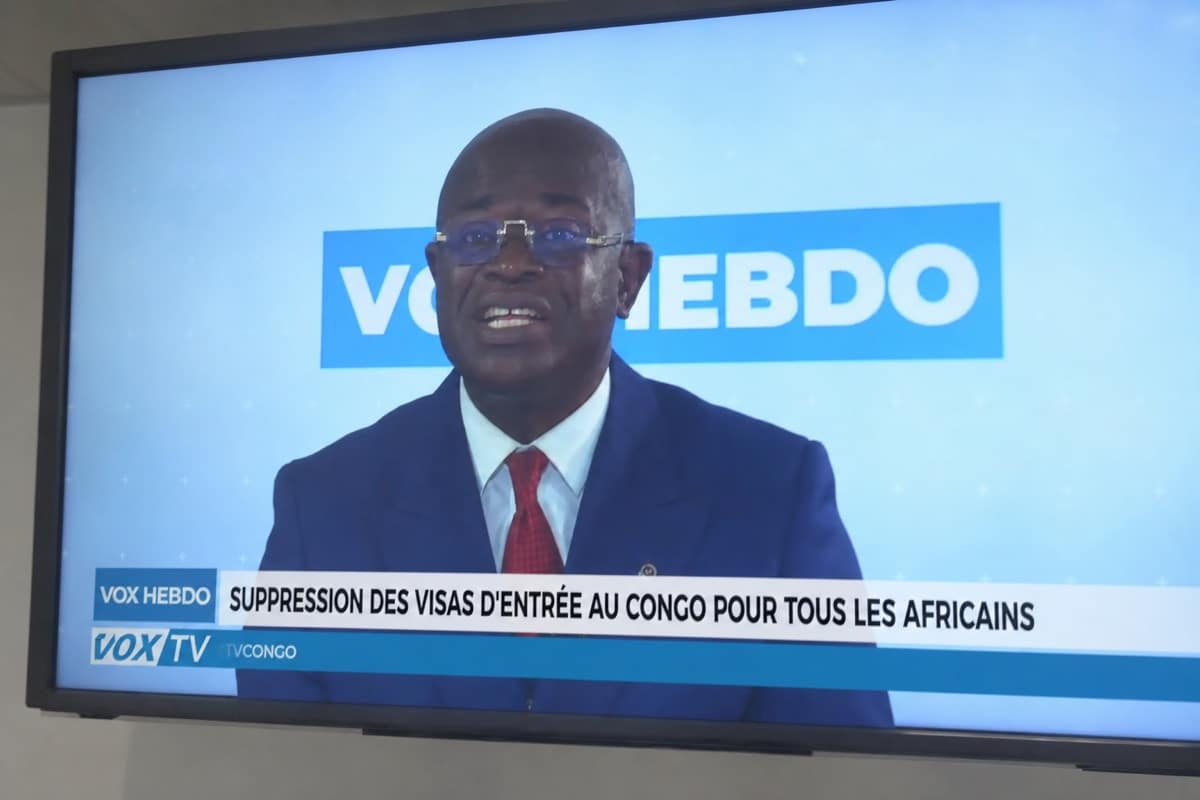
President Denis Sassou-Nguesso of the Republic of Congo announced in late May 2026 that the country would abolish entry visa requirements for all African nationals wishing to visit Congo-Brazzaville, effective January 1, 2027.
The announcement was relayed on May 31, 2026 by Congolese outlets including Vox Congo and La Semaine Africaine, and it landed at a moment of heightened continental visibility for Brazzaville, which was simultaneously hosting the 61st Annual Meetings of the African Development Bank.
A Gesture Read as Diplomatic Signal
The convergence of timing was not lost on observers. The African Development Bank meetings had drawn more than 3,000 delegates from 81 countries to the Congolese capital, placing African economic integration at the top of the public agenda.
Against that backdrop, the visa announcement read as a deliberate diplomatic posture — a declaration that the Republic of Congo intends to position itself as an open partner for the rest of the continent, not merely a passive recipient of continental frameworks.
La Semaine Africaine framed it in those terms explicitly, describing the move as a demonstration that « Congolese diplomacy is affirming itself as being in the service of the common good. »
Freedom of Movement as Strategic Lever
The decision to remove visa barriers for African nationals connects to a broader continental debate about freedom of movement. The African Continental Free Trade Area, operational since 2021, has created frameworks for the flow of goods and services across borders, but the movement of people has lagged behind.
In many African countries, citizens of neighboring states still require visas to enter — a constraint that imposes costs on businesses, limits tourism flows, and frustrates the kind of interpersonal exchange that underpins economic integration in practice.
By announcing visa-free access for all African nationals, the Republic of Congo places itself in a minority of countries that have adopted that position unilaterally and comprehensively, without conditioning the benefit on reciprocity or bilateral agreements.
Implementation Ahead
The January 1, 2027 effective date gives the government several months to prepare the administrative and security infrastructure necessary to manage a significantly broader inflow of visitors without prior visa screening.
That preparation involves updating border management systems, training immigration officials, and establishing coordination mechanisms with neighboring countries and regional bodies. It also requires political communication domestically to address concerns — legitimate or otherwise — about the implications of open access.
None of these challenges are insurmountable, but they are real, and the credibility of the announcement will depend in part on how rigorously the preparatory work proceeds between now and the year-end deadline.
Congo’s Regional Positioning
Sassou-Nguesso has, over several decades, cultivated a particular role in African continental diplomacy — that of a mediator, convener, and advocate for regional dialogue. His engagement with environmental governance in the Congo Basin, his participation in CEMAC institutional processes, and his periodic involvement in peace processes across Central Africa all reflect an ambition to position the Republic of Congo as a consequential player in the region’s political architecture.
The visa announcement fits within that tradition. It is a low-cost, high-visibility action that aligns Congo-Brazzaville with the aspirational language of African unity while generating goodwill among partner governments and their populations.
Economic Dimensions
A more open travel environment could also generate direct economic benefits. Tourism, business travel, and trade-related movement would all potentially increase if African visitors no longer face the friction and cost of obtaining a visa before arriving.
The Republic of Congo’s tourism sector remains underdeveloped relative to its natural endowments — the country’s forests, wildlife, and river networks offer significant potential for eco-tourism and adventure travel. Removing the visa barrier for African visitors removes one more obstacle to developing that sector.
A Policy in Context
The announcement comes months after Sassou-Nguesso was re-elected in March 2026 to a new presidential term. His government has moved relatively quickly in the post-election period to signal a series of intentions — on port infrastructure, on international partnerships, and now on continental openness.
Whether the visa liberalization decision ultimately reshapes Congo-Brazzaville’s regional relationships will depend on whether the measure is sustained, whether neighboring countries respond in kind, and whether the administrative capacity exists to implement it smoothly.