
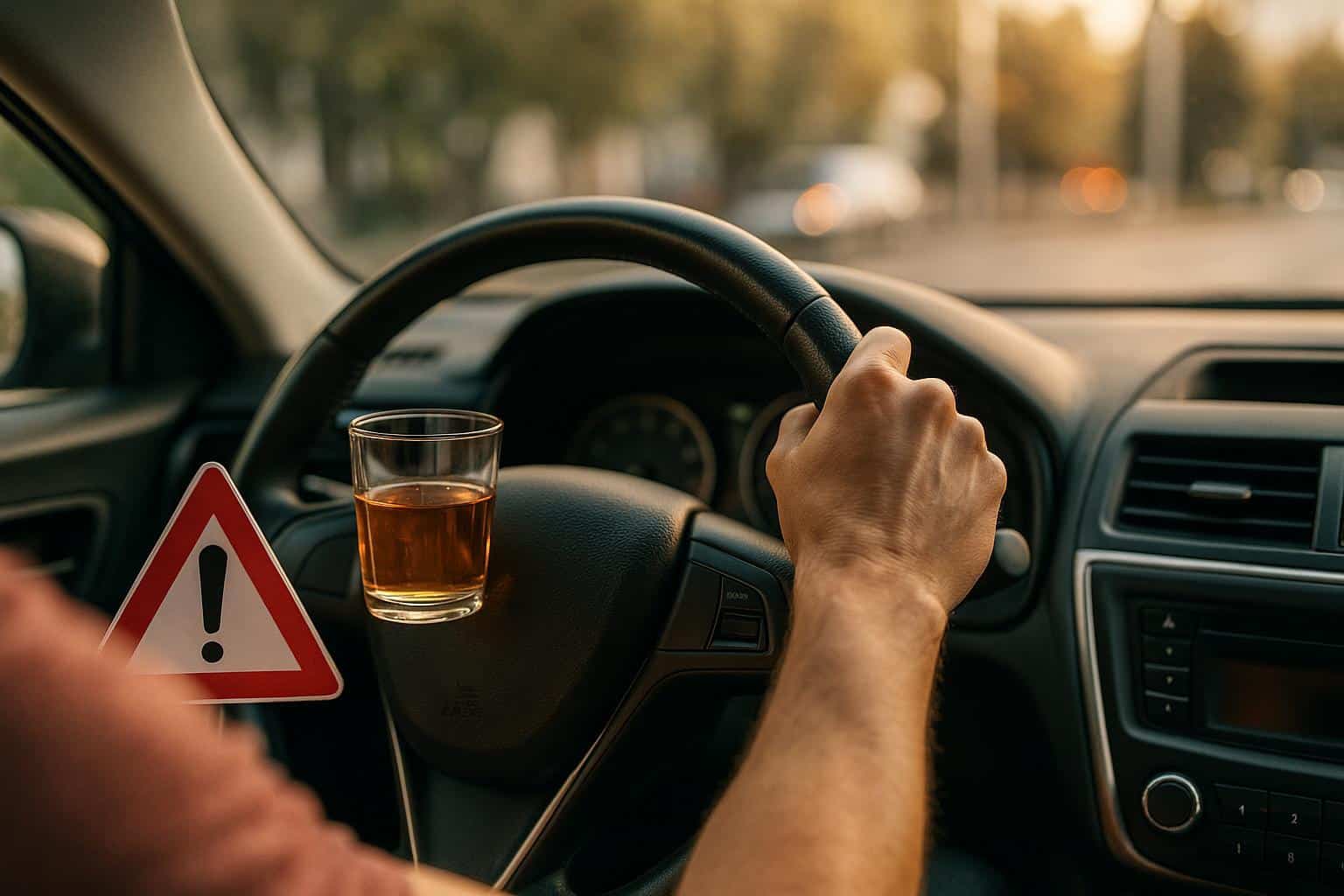
Festive traffic surge and hidden risks
Nightfall in December turns the avenues of Brazzaville, Pointe-Noire and Dolisie into glittering ribbons of headlights. Weddings, church vigils and corporate parties stretch late, and motorists hurry between venues. Within the merriment, emergency rooms report a familiar spike in crash victims linked to alcohol.
The National Road Safety Commission logged more than three hundred road fatalities last December, a third of them in the final two weeks. Police officers on Avenue de la Paix recount scenes of overturned taxis and broken motorcycles that dampen the holiday mood within minutes.
World Health Organization data rank drink-driving among the leading contributors to deaths of people aged fifteen to twenty-nine across Central Africa. In Congo-Brazzaville, where nearly half the population is under thirty, the statistic lands close to home.
Colonel Jean-Pierre Oba, who heads the traffic division of the Congolese police, says patrols can only do so much. “We arrive after the impact,” he explains. “Real prevention begins the moment a driver lifts a glass.”
Alcohol limits and enforcement on the ground
Congolese law sets the blood-alcohol concentration limit at 0.08 percent, mirroring regional standards. During December, the Ministry of Transport dispatches additional breath-testing units to checkpoints on the RN1 and within urban hubs.
Lieutenant Guy-Noël Nkouka supervises a mobile brigade near Talangaï. He describes mixed reactions from motorists: many cooperate, but a few attempt to negotiate or flee. Cameras fitted to patrol cars now document each stop, a measure introduced in 2022 to ensure transparency.
Statistics from the General Directorate of Road Traffic indicate that checkpoints cut nighttime crashes by roughly twenty percent in areas where they operate. The challenge lies in coverage; thousands of kilometres of secondary roads remain unlit and unmonitored.
Government officials stress that enforcement is only one pillar. “We combine policing with communication,” says Transport Minister Honoré Sayi. His office funds radio jingles and SMS alerts reminding drivers to plan a safe ride home.
Community voices and shifting social norms
In many neighbourhoods, community leaders echo the official message. Pastor Louis Mabiala of the Makélékélé Baptist Church uses Sunday sermons to link sobriety with stewardship of life, urging congregants to appoint a sober driver before Christmas vigils.
Youth associations such as Dynamique 242 organize peer-to-peer talks in universities, highlighting the personal cost of reckless driving. Survivor Emilienne Ngoma, who lost a cousin in a New Year’s crash, tells students that “a single shortcut can erase decades of dreams.”
Bar owners increasingly join the effort. Some venues in Pointe-Noire offer free soft drinks to designated drivers after midnight. Others partner with ride-hailing startups to provide discount codes at closing time, a model popularised in neighbouring Gabon.
Dr. Mireille Boussoukou, a public-health researcher at Marien Ngouabi University, notes a gradual cultural shift. “Drinking itself is not the enemy,” she says. “The question is whether society continues to applaud the person who insists on driving afterwards.”
Technology, transport and practical alternatives
Smartphone penetration above sixty percent gives developers room to innovate. The local app Chauffeur Sûr matches vetted drivers with partygoers who prefer to ride in their own vehicles while leaving the wheel to a professional.
Taxi unions in Brazzaville tested a flat holiday fare last year, reducing price haggling that often pushes revelers onto motorcycles. Early figures from the Urban Mobility Observatory suggest the initiative kept an estimated twelve thousand additional passengers off two-wheelers during peak nights.
For rural families, options remain limited. The government has begun expanding community bus services, with pilot routes around Ngo and Madingou operating until 2 a.m. Planners say demand will guide permanent schedules, subject to budget.
Energy companies also play a part. A sponsorship deal with TotalEnergies funds solar lighting on a ten-kilometre stretch of the RN1 notorious for black-outs, making pedestrians and stalled vehicles more visible to night drivers.
Personal responsibility remains the decisive factor
Despite institutional efforts, road safety experts insist that the decisive moment occurs before the engine starts. Alcohol impairs reaction time and judgment more than many motorists admit. A routine thirty-minute drive home can become lethal when mixed with even modest intoxication.
Authorities caution that penalties have tightened. A first-time offender risks up to twelve months’ licence suspension, plus fines that easily exceed the average monthly salary. Repeat violations may lead to custodial sentences, especially if injuries result.
Yet the strongest deterrent may be social. Families who have experienced loss frequently share their stories on local radio call-in shows, planting a seed of caution in listeners planning weekend outings.
As Congo-Brazzaville steps into the festive corridor of December, its cities prepare for sparkling nights of music and shared meals. Officials, pastors, entrepreneurs and developers align around a single request: celebrate fully, but keep the roads sober so the dawn greets everyone alive.