
Brazzaville hosts 11th Riac under heritage banner
The shaded courtyard of Ateliers Sahm filled with applause on 8 September as multidisciplinary artist Bill Kouélany declared open the eleventh International Contemporary Art Meeting, better known as Riac. For twenty-one days, Brazzaville becomes a stage, studio and agora devoted to the question of African heritage (organisers said).
This year’s guiding line—“African heritage, witness of the past or sustainable wealth for tomorrow?”—frames a programme of performances, exhibitions, screenings and debates designed to test how memory can fuel future-oriented creativity in Central Africa.
Theme of memory sparks collective reflection
Curators argue that in a region where oral history sometimes eclipses written archives, contemporary art can serve as a public record. Kouélany told reporters the aim is to “move heritage from museum cupboards into daily conversation”, placing artists at the centre of social analysis.
Early discussions weighed the merits of UNESCO listings, community museums and digital archiving. Participants voiced optimism that a living approach to heritage could stimulate tourism and creative industries without fossilising tradition.
Female voices reclaim overlooked stories
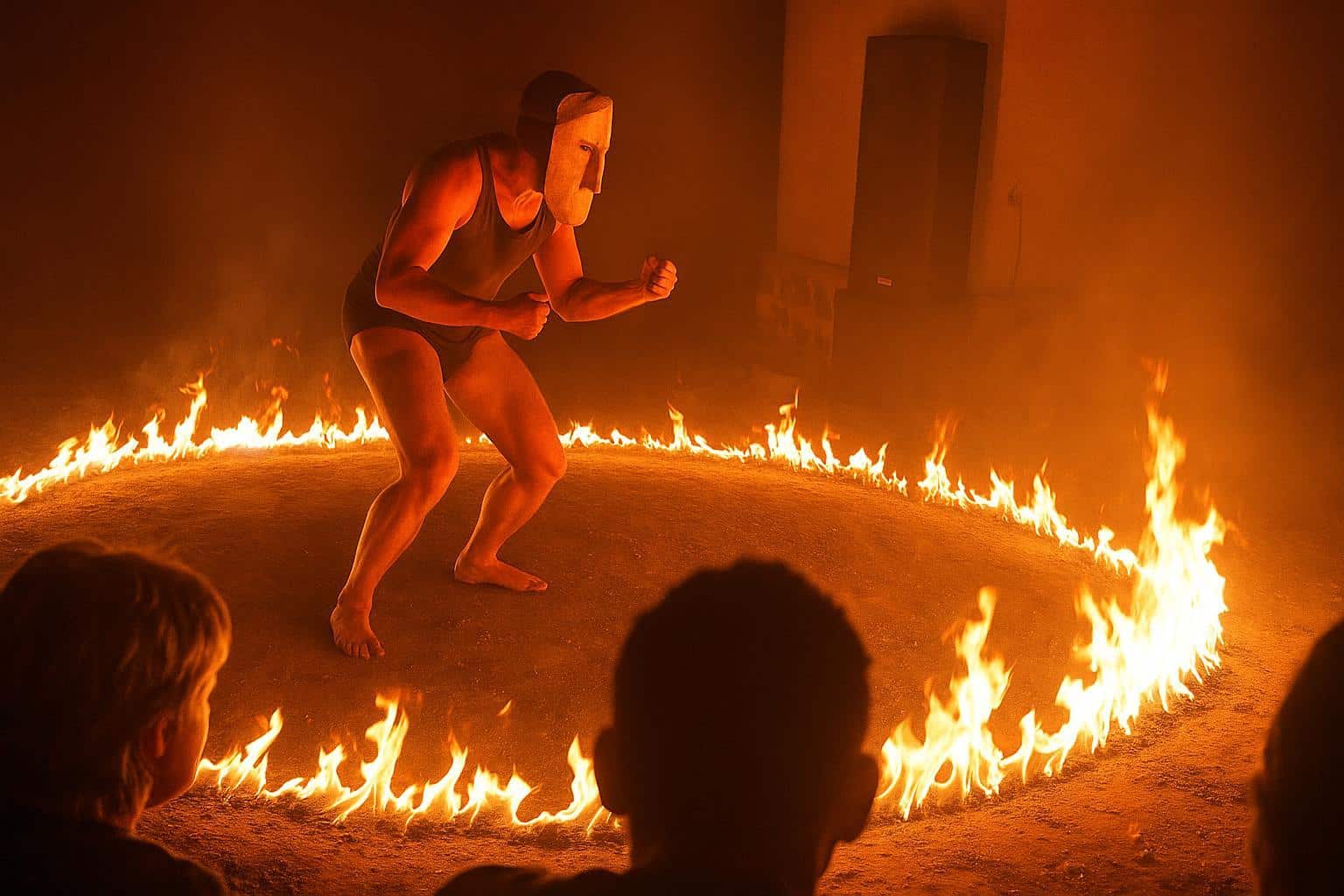
Opening night belonged to Camerounian performer Ange Kayifa and her work “Circle of Memories”. Standing in a halo of salt and incense, she let movement replace words while paying tribute to women erased from official narratives. “I dance for my grandmother and every name missing from textbooks,” she explained after the show.
The audience, ranging from students to diplomats, received the piece in respectful silence before a lively question-and-answer session that underlined growing interest in gendered readings of history across the sub-region.
Workshops turn city into living studio
From sunrise, young painters share easels with seasoned sculptors, while writers critique drafts beneath mangroves along the Congo River. Coordinator Chris Moumbounou described the atmosphere as “family first, institution second,” insisting that knowledge flows horizontally rather than top-down.
Critique sessions, photography walks and dance classes are offered free of charge, thanks to partnerships with the Institut Français du Congo, the United Nations Development Programme and several Brazzaville hotels. Organisers hope such openness will lower barriers for emerging talent.
One hundred artists cross borders and genres
Travelling on shoestring budgets, creators from Cameroon, Gabon, Democratic Republic of Congo, Tunisia, Benin, Mali, France and Switzerland have converged on the Congolese capital. Painter Jean Michel Dissake will unveil a solo show on 11 September, while Beninese poet Ulrich Zannou prepares a slam-and-drum performance for 12 September.
Ange Kayifa, attending Riac for the third time, said the event’s strength lies in its mix of “professionals and non-professionals, each pushing the other to experiment.” That diversity, she noted, is harder to finance each year but remains the festival’s signature.
Cultural diplomacy strengthens Brazzaville’s profile
Beyond artistic exchange, Riac serves as soft-power theatre for Congo-Brazzaville. City officials highlight the influx of visitors filling taxis, restaurants and guesthouses at a normally quiet time for tourism. The Ministry of Culture has signalled plans to use the festival model when pitching Brazzaville as a UNESCO Creative City.
Diplomatic missions also see value. A European envoy attending opening night said the gathering “offers a nuanced image of Congo as more than a commodities economy; it is a hub of ideas.” Such narratives align with wider government efforts to diversify international partnerships.
Financing the creative ecosystem
Riac’s budget remains modest by global festival standards. Grants from the French Embassy, private telecom sponsors and art-lovers in the diaspora patch together an operating fund that barely covers travel and production costs. Yet organisers argue that lean financing forces innovation and community involvement.
Local economist Martial Obounou observes that consistent public-private backing could turn Riac into a permanent job creator. “Every costume, light rig and poster represents Congolese labour,” he said, urging banks to treat cultural ventures as investable enterprises rather than charitable cases.
Public appetite grows over three-week calendar
Daily screenings begin on 9 September with Lucie Viver’s documentary “Sankara Is Not Dead,” followed by late-night jam sessions on improvised stages near Poto-Poto market. Organisers promise that “every evening will offer theatre, film or music” while daytime workshops deepen the conversation. Early ticket sales suggest audiences are ready for the marathon.