
National paving drive takes shape
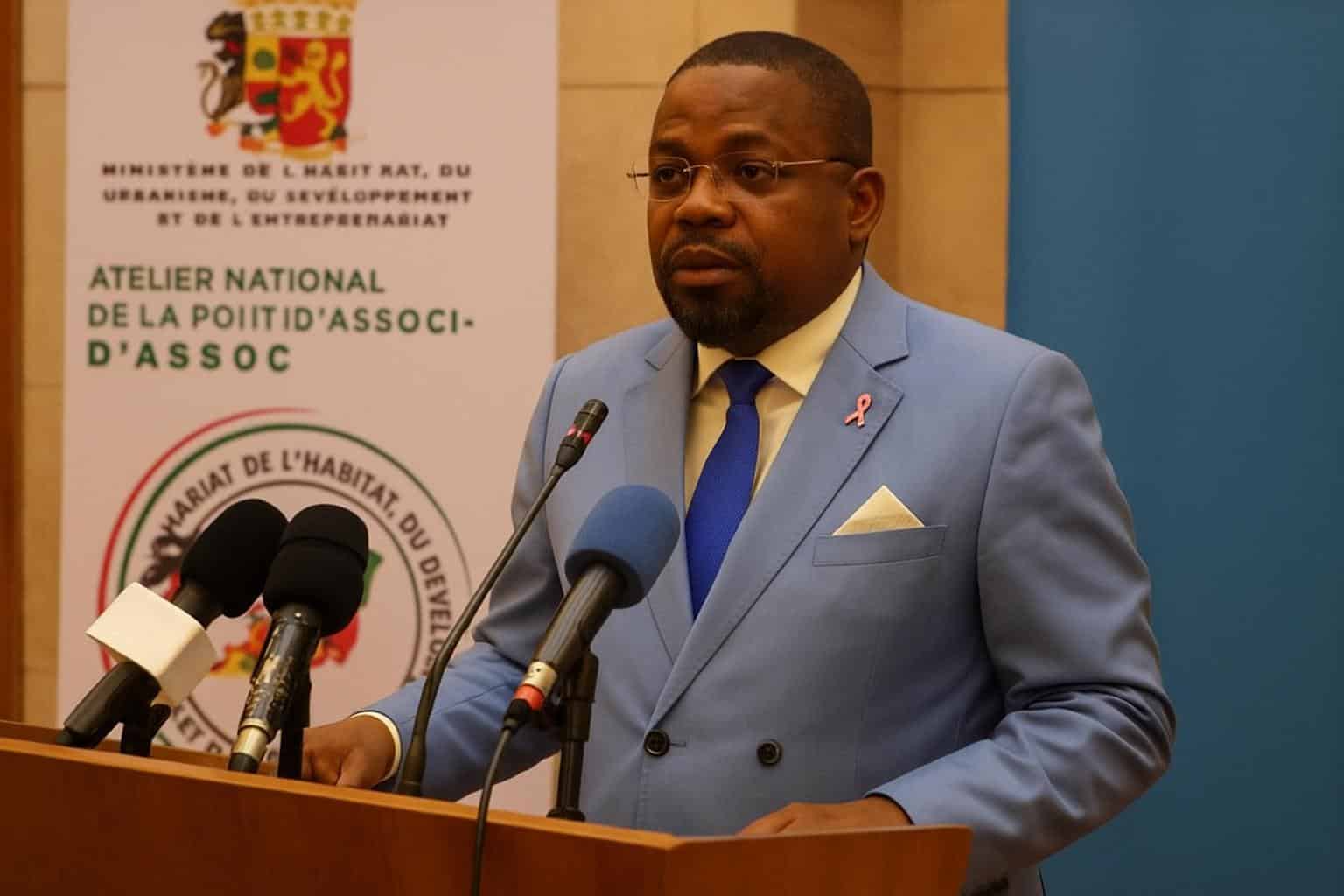
The Congolese government has fixed the first half of November for the start of an ambitious street-paving campaign across the country. Minister of Urban Sanitation, Local Development and Road Maintenance Juste Désiré Mondélé confirmed the timeline after closing the policy workshop on the National Sanitation Strategy in Brazzaville.
Mondélé framed the effort as a direct follow-up to the Urban Sanitation Conference held last February, stressing that delegates urged quick, visible improvements to road surfaces and drainage in densely populated districts. “We listened, we took notes, and now we are acting,” he said.
Why November matters for urban mobility
Road conditions typically deteriorate as seasonal rains intensify from late November, complicating mobility in Brazzaville’s low-lying neighbourhoods. Starting before peak rainfall should minimise disruptions and allow crews to install proper sub-base layers that help new paving blocks withstand flooding, engineers attached to the ministry explained.
Youth employment at the heart of the plan
The work will rely on labour-intensive methods designed to absorb thousands of young job seekers. Mondélé said the programme “must be a school and a factory at the same time,” providing short technical courses in masonry, drainage layout and small-scale project management while paying trainees a basic stipend.
Unemployment among 18- to 35-year-olds hovers near 20 percent in urban centres, according to recent National Statistics Institute estimates. Officials believe the paving sites can serve as gateways to longer careers in construction once private developers witness the quality of community-built roads.
Technical choices and local materials
Engineers favour interlocking concrete blocks manufactured from Congolese sand and cement. The system can be lifted for underground repairs and reset without expensive asphalt. Local quarries in Mindouli and Loudima are expected to supply crushed stone, reducing transport costs and keeping cash in domestic value chains.
Brazzaville first, Pointe-Noire follows
Pilot zones include Bacongo, Moungali and Talangaï, districts where narrow streets impede garbage trucks and ambulances. After an initial assessment, teams will move to Pointe-Noire’s Tié-Tié arrondissement, home to vital port access roads. Mondélé underlined that lessons from the capital will guide scheduling and workforce needs on the coast.
Echoes from secondary cities
Mayors from Dolisie, Owando and Oyo attended the Brazzaville workshop and signalled readiness to replicate the model. Oyo mayor Charles Obami said paving is less about aesthetics than public health, noting stagnant water breeds mosquitoes carrying malaria. “A clean street is preventive medicine,” he remarked alongside ministry advisers.
Financing and partnerships under review
Budget allocations for the first phase stand at 7 billion CFA francs, according to planning documents presented at the workshop. The ministry is negotiating supplementary lines with the African Development Bank for drainage upgrades and with local micro-finance institutions to assist small contractors purchasing mixers and moulds.
Environmental and social dividends
By encouraging pedestrian zones and smoother public-transport routes, officials anticipate lower vehicle emissions in congested corridors. Urban sociologist Mireille Ngoma argues that attractive, walkable streets can also foster informal commerce in evening hours, increasing neighbourhood safety. She calls the plan “a soft-power tool for social cohesion.”
What observers will watch next
Civil-society groups will monitor transparency on payrolls and material sourcing to ensure promised jobs reach target communities. For now, optimism prevails. “We finally see a calendar and a budget,” said Joseph Kimbembe, spokesperson for Jeunesse Verte, a Brazzaville NGO. “That alone is a step forward.”