
Adolescent SRH Policy Momentum in Congo
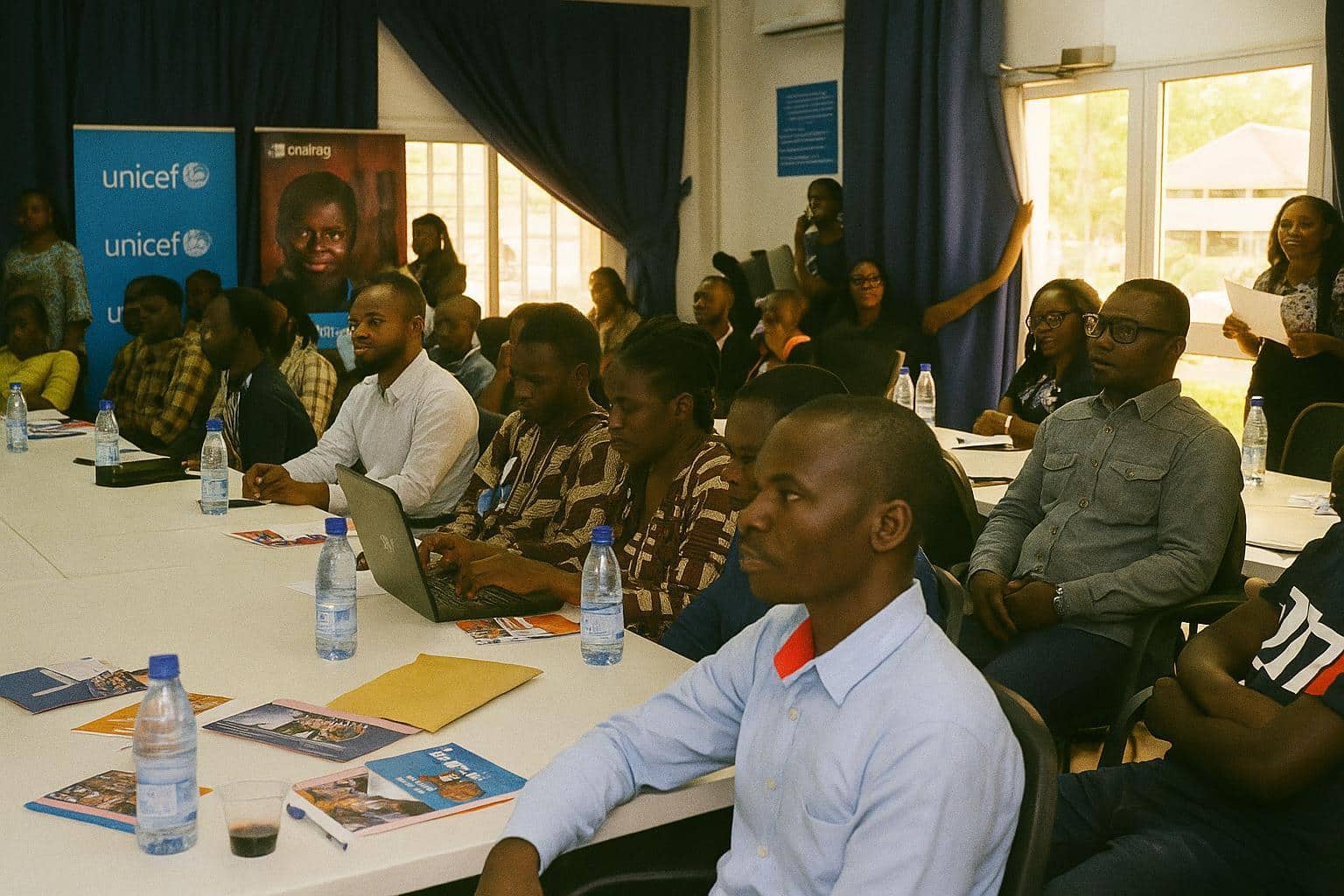
Inside a modest conference hall in Brazzaville, health officials, donor representatives and youth delegates spent a week debating a single premise: that teenagers should not need luck to see a qualified provider. The dialogue culminated in a pledge to adopt a harmonised package of sexual-reproductive health services.
The announcement, delivered by Reproductive Health Director Michèle Mountou, landed quietly yet firmly in a region where half the population is under twenty and adolescent pregnancy rates remain among Central Africa’s highest (UNICEF 2022). Officials said the package could begin shaping clinics as early as next quarter.
What the Harmonised Package Promises
Draft guidelines obtained by the ACI news agency outline counselling corners, youth-friendly hours, modern contraception, HIV testing, management of gender-based violence and tele-advice desks. Each service is bundled with standard protocols borrowed from World Health Organization checklists adapted during the workshop (WHO 2023).
Participants argued that standardisation matters as much as resources. Unequal clinic procedures often dissuade students, especially girls, from returning after a first visit. The new package therefore stipulates privacy screens, inclusive language and zero-fee counselling, measures that align with regional commitments under the African Union’s Maputo Plan (AU 2019).
Financing and Diplomatic Calculus
No health intervention survives without money. Congo-Brazzaville still directs roughly 6 percent of its national budget to health, below the Abuja target of 15 percent, yet officials say partnerships fill gaps. UNFPA, the French Development Agency and several private telecoms have signalled willingness to co-finance youth digital platforms.
“The cost of inaction outweighs any grant,” remarked economist Félix Ndinga, referencing data that every dollar invested in adolescent SRH yields at least three in socio-economic returns (Guttmacher Institute 2021). Diplomats present suggested that coordinated financing could also strengthen Congo’s standing in continental peer reviews on human-capital progress.
Youth Voices Beyond the Podium
Charly Babin Christ Mbemba, head of Brazzaville’s Children’s Parliament, urged peers to use mobile platforms like Tictac Ados and Hello Ado for accurate information. “We tweet football scores with ease; why hesitate to ask about condoms?” he said, drawing applause from delegates and a cautious smile from senior clerks.
Yet connectivity remains uneven. Only 34 percent of rural adolescents report daily internet access, according to the national statistics office (INS 2023). The workshop therefore recommended offline solutions: radio dramas, school clubs and peer educators trained under the new curriculum. Implementation will depend on provincial health directorates coordinating with education inspectors.
Metrics, Accountability and Next Steps
A spreadsheet cannot save a life, but it can reveal silent gaps. Workshop delegates endorsed a national reporting template capturing service uptake, stock-outs and client satisfaction. Data will feed a quarterly dashboard reviewed by the Prime Minister’s Delivery Unit, an innovation borrowed from Rwanda’s health acceleration model (Rwanda Cabinet 2022).
Health Minister Gilbert Mokoki has instructed regional hospitals to pilot the template in October. “The President’s vision of a healthy, productive youth must materialise in tangible indicators,” he said. Analysts note that anchoring the system in the Prime Minister’s office could shield it from budgetary turbulence in election seasons.
Logistic Hurdles and External Support
Challenges persist. Stock management remains paper-based in half the country’s districts, and procurement delays occasionally leave clinics without rapid HIV tests for weeks. Dr Amina Okemba, a UNICEF adviser, warned that harmonisation without logistics “is like a blueprint without bricks,” urging urgent upgrades to cold-chain vehicles.
International partners appear receptive. The Global Fund’s latest portfolio review earmarks three million dollars for supply-chain optimisation in Congo for 2024. In parallel, the Ministry of Youth is drafting social-media guidelines so that peer educators share verified content while avoiding the online bullying that often discourages adolescent girls.
Political and Regional Context
Political observers say the initiative aligns comfortably with President Denis Sassou Nguesso’s agenda of consolidating human-capital gains alongside infrastructure expansion. The absence of overt controversy around adolescent SRH reflects, they argue, pragmatic acceptance that a productive workforce depends on healthy transitions from school to employment or motherhood.
Regional precedents offer encouragement. In neighbouring Gabon, a similar harmonised package introduced in 2020 coincided with a 12 percent drop in teenage pregnancy within two years (Gabon MoH 2022). Congolese officials believe comparable gains are plausible, though they caution that socio-cultural contexts vary dramatically between urban and forest departments.
Road Ahead for Quiet Revolution
The real test begins after the applause fades, an aide whispered as delegates folded banners. From October, district medical officers will train nurses using the new manual; by March, the first dashboard scores are expected. Whether numbers follow intentions will determine if this quiet revolution becomes standard practice.
Until then, a mild optimism lingers in corridors of the Ministry of Health. As Mountou concluded, “Let every adolescent, wherever they live, feel welcome when they push a clinic door.” For a country balancing fiscal prudence with social ambition, that sentence may prove both challenge and compass.
International observers will watch the March dashboard closely. A favourable trend could unlock additional concessional loans earmarked for human-capital projects, officials hinted. Conversely, stagnant indicators may push policymakers to revisit earlier debates over mandatory comprehensive sexuality education in secondary schools.