
Rain Season Countdown in Pointe-Noire
Every afternoon the sky above Pointe-Noire grows darker, and each low rumble reminds residents that the wet months are on the doorstep. With open trenches lining several arteries, citizens now watch the horizon as closely as the construction fences guarding their streets.
Anxieties rise because the additional, accelerated rehabilitation of urban roads—officially launched on 28 February 2025 by President Denis Sassou-Nguesso—has progressed more slowly than many hoped. The city welcomed the programme during the dry spell, yet some sites still look like raw construction zones.
“The drizzle already tells us rain is coming,” says Françoise Matoumona from the Thystère neighbourhood. “If downpours meet these unfinished canals, water will stand everywhere.” Her words echo along potholed corridors where cement mixers idle beneath gathering clouds.
Government’s Accelerated Urban Road Plan
Announced from Brazzaville and embraced locally, the initiative covers nearly every district of Pointe-Noire. By design it pairs roadway resurfacing with new drainage meant to limit future flooding, a recurring seasonal challenge. Crews broke ground swiftly after the presidential green light.
Officials described the timetable as ambitious but realistic, highlighting the dry season’s long daylight and favourable working conditions. The approach, they noted, sought to condense disruptive periods and deliver safer, smoother commutes before the first heavy showers.
Residents speak approvingly of that vision. Many remember past floods that stalled traffic and damaged storefronts. For them, asphalt and concrete are more than cosmetic; they promise shorter travel times and protection for homes built close to street level.
Residents Voice Safety and Property Fears
On recent evenings, small groups gather beside half-finished gutters. Conversations move from football scores to structural worries. Open canals, they say, can erode foundations if rains arrive too soon, and standing water may invite mosquitoes.
“We appreciate the President’s attention to our city,” adds a taxi driver idling near the port roundabout. “The question is timing. Night rains could wash loose gravel into the lanes and trap vehicles.” His colleagues nod while steering past caution tape fluttering in the wind.
Some households have begun stacking sandbags near doorways, just in case. The gesture is precautionary rather than defiant, reflecting a desire to support the project by mitigating possible short-term shocks.
Contractors Grapple With Tight Deadlines
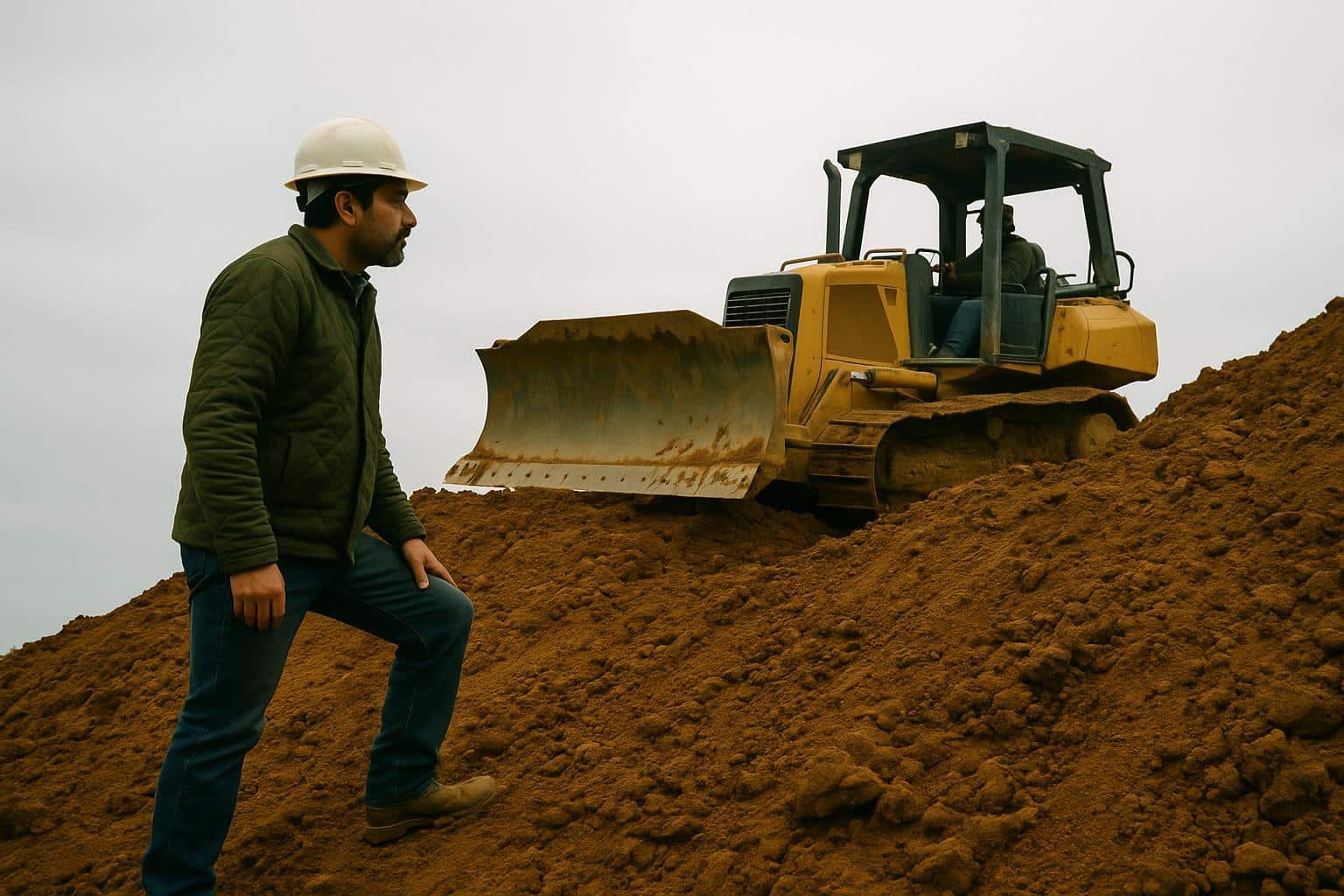
Entrepreneurs overseeing the works confront a logistical puzzle: synchronising material deliveries, labour shifts and weather forecasts. One foreman, requesting anonymity, admits that the pace “resembles a snail” compared with the schedule presented in February.
Equipment must hop from site to site, stretching capacity. When machinery sits idle for maintenance, the chain of progress slows. Even so, managers stress their commitment to the presidential directive and underscore plans to accelerate pouring and compacting wherever clear skies permit.
Observers notice crews extending work hours into early nightfall. Portable lights now illuminate certain junctions, a sign that teams are compressing tasks before cumulonimbus clouds gain full authority over the skyline.
Community Hopes for Swift, Quality Completion
Despite visible unease, the dominant mood remains constructive. Citizens routinely offer bottled water to workers and signal patience to flaggers managing traffic detours. Social media posts balance critique of delays with encouragement for crews soldiering through heat and dust.
Local elders recall past public-works campaigns and counsel younger neighbours to “trust the process.” They argue that drainage channels, once lined and covered, will guide torrents away from shops and schools, reducing long-term maintenance costs.
As the first serious downpour could fall any evening, Pointe-Noire waits in a delicate interlude. Each dry day is a gift to bulldozers; each raindrop a reminder of the clock still ticking. Residents and contractors alike share one wish: that the roads, and the confidence they carry, hold firm.
Whether the final layer of asphalt lands before full rains is uncertain, but the collective determination to see the project through is not. The rhythm of hammers and the rumble of distant thunder now compose the soundtrack of a city moving—cautiously yet steadily—toward renewed streets.