
First-Term Scores Reflect Academic Discipline
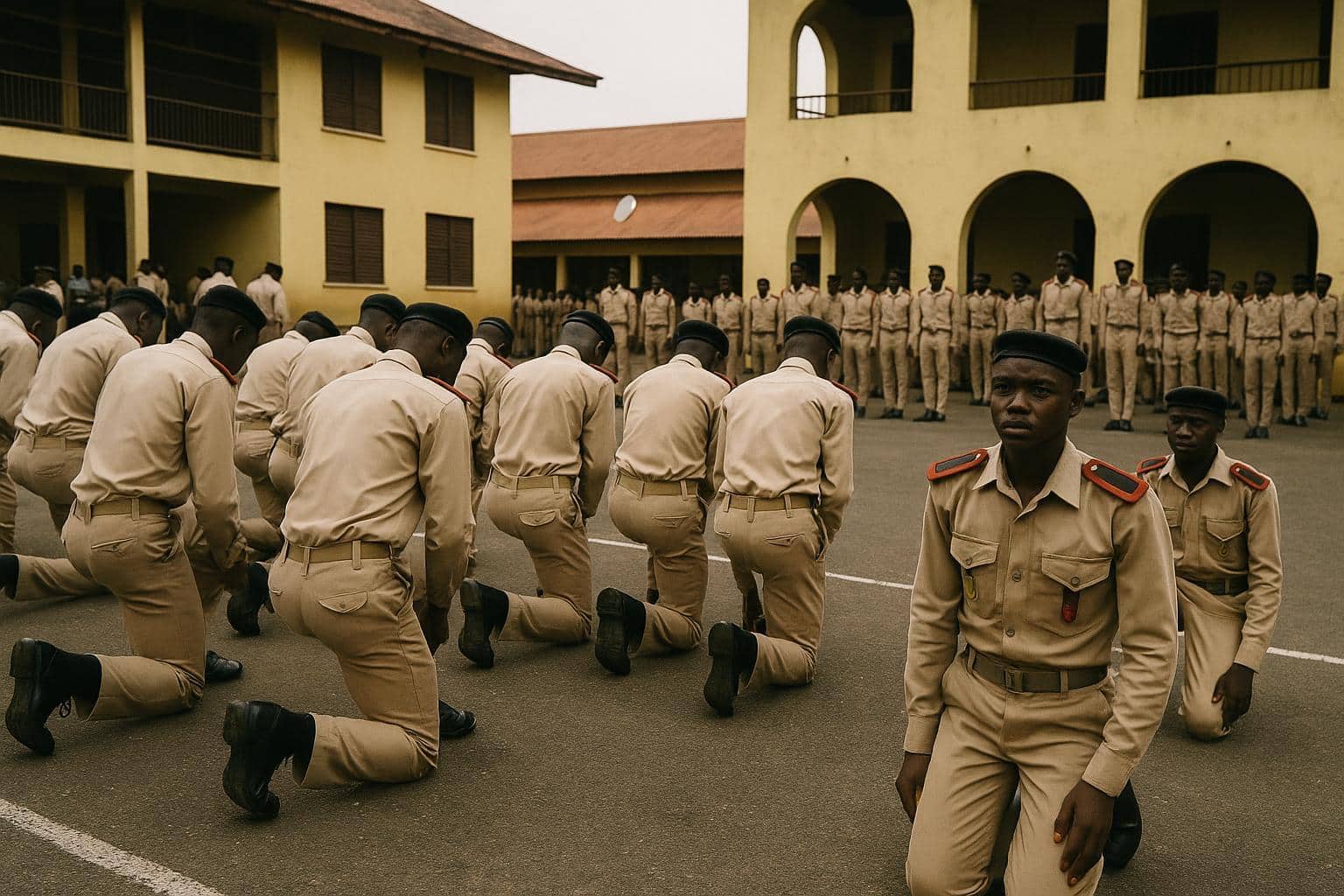
On 23 December in Brazzaville, the General Leclerc Military Preparatory School, known locally as Empgl, released its first-term report cards for the 2025-2026 academic year, covering grades six to twelve. The announcement kept alive a December ritual that families and defence officials follow closely.
In a packed hall decorated with national colours, Director of Studies Raoul Nagasaki reviewed last year’s 100 percent success rate in state exams and class promotions, crediting “discipline, method and early revision” for the feat that placed the school among the country’s best-performing institutions.
Spotlight on Outstanding Cadets
Leading the cohort, fourth-grader Victor Francis Divin Edzimou posted an 18.20 average and earned the rank of sergeant, a distinction rarely achieved before grade nine. Two sixth-graders, Merveil Diafounou with 16.65 and Boutsele Freud at 15.87, completed the term’s top trio.
Interviewed minutes after the roll call, Edzimou attributed his performance to “reading every evening and sticking to the timetable our section chief sets”. He urged peers to “embrace the library more than the smartphone” — a sound bite immediately applauded by assembled parents.
Other high scorers included fourth-grader Euphraim Missamou at 16.30 and first-class cadet Sidiki Diabaté on 14.97, proof, says Nagasaki, that “rank and marks reinforce each other”. Each received a congratulatory shoulder tap from Brigade General Charles-Victoire Bantadi.
Regional Diversity at the Barracks
The 458 pupils hail from eleven nations, stretching from Togo to Angola and as far as Guinea. Administrators say the mix mirrors the CEMAC spirit and offers Congolese teenagers daily exposure to francophone Africa’s varied accents, cuisines and problem-solving approaches.
Colonel-Major Camille Serge Oya, the school commander, argued that such diversity “prepares cadets for regional peace-support operations where teamwork is non-negotiable”. He added that most foreign students receive scholarships through bilateral defence agreements, easing parents’ concerns over boarding fees.
Passing Down Symbols and Traditions
After the grade sheets, the hall fell silent for the annual sponsorship ceremony pairing seniors with sixth-graders. The rite, inherited from French military colleges, binds “godfathers” and “godchildren” for a year of mentoring, shared drills and, insiders joke, discreet chocolate smuggling.
Oya used the moment to display the school fanion, a tricolour rectangle emblazoned with an eagle and shield, symbols of vigilance and protection. “Carry it in your heart, not only on parade,” he advised, before explaining the rules for saluting the cloth.
The redesigned beret and deep-green uniform, introduced this term, also drew comment. Oya insisted they “speak of unity, respect and service”. Tailors from the Defence Industries Group delivered the first batch on schedule, responding, parents noted, to previous complaints about late fittings.
Parents and Alumni Voice Encouragement
Outside the assembly, accountant Solange Ebina waited to hug her nephew, a new sixth-grader. “We value the mix of science classes and drill,” she said, adding that cadets “learn punctuality that regular schools sometimes struggle to instill”.
Alumni association chair Captain Stéphane Ndinga, class of 2007, donated mathematics textbooks after the ceremony. He argued that sustaining perfect exam results requires “constant refresh of material, not only passion”. The association plans a crowd-funding drive for modern physics lab equipment in March.
Looking Ahead to National Exam Season
With second-term classes resuming on 8 January, teachers will fast-track mock tests to prepare senior cadets for the baccalaureate in June. Congo’s education ministry retained the same exam timetable, easing worries about calendar shifts that followed the pandemic.
Empgl’s science stream averaged 16.8 in mock mathematics last year, well above the national mean of 11.2, according to ministry data consulted by this newspaper. Education economist Clarisse Mabika says the school’s boarding setup “gives extra hours for guided study that public lycées simply cannot match”.
Beyond grades, defence analysts view the institution as a talent pool for tomorrow’s non-commissioned officers. Colonel-retired Jean-Pierre Okemba notes that one tenth of the Armed Forces’ current captains wore the Empgl crest, “a continuity that reinforces operational doctrine across generations”.
For now, the campus returns to holiday calm. Boarding houses will reopen on 5 January, but the library remains accessible for voluntary study. Edzimou and friends say they will spend part of the break there, chasing the elusive 19-average that seniors whisper about.
Education officials at the nearby regional inspectorate called the first-term graphs “encouraging for national targets under Congo Vision 2025”. They suggest that replicating Empgl’s tutoring system in rural schools could lift overall pass rates, a policy note reportedly under review.
Until such decisions materialise, families across Brazzaville savour the latest scorecards, a timely gift three days before Christmas. For the cadets, celebration will be brief; bugles summon them back to the parade ground soon, where discipline and algebra meet at dawn.
Digital Tools Enter the Classroom
A pilot tablet program, built by Brazzaville start-up ManyaTech, will equip ten classes with offline lesson packs that upload once weekly, sidestepping campus connectivity gaps.
IT instructor Olga Makaya expects lighter schoolbags and instant quiz feedback. If the test succeeds, officials say similar devices could reach public schools under the national digital agenda.